Chesterfield · Derbyshire · S41
Welcome to Hasland
A friendly village suburb on the southern edge of Chesterfield, with leafy parks, independent shops, good schools and a strong community spirit.
- Population
- ~7,500
- Postcode
- S41
- Distance to centre
- 1.5 miles
- County
- Derbyshire
- Right now
Explore
Everything Hasland, a tap away
Pick a topic — bin days, the weather, local businesses, your councillors and more.
Weather
This week's forecast, hour by hour.
Bin days
When to put which bin out — with calendar download.
Map
Parks, schools, shops and churches, pinned.
About
What Hasland is and why people love it.
Businesses
Shops, pubs, takeaways, health and trades.
Schools
Nurseries and schools, with Ofsted ratings.
Around Hasland
Parks, churches, clubs, bands and magazines.
Representatives
Your MP and councillors — who does what.
History
From hazel grove to railway village.
FAQ
Quick answers to common Hasland questions.
Visit
How to get to Hasland.
Report a problem
Missed bin, pothole, fly-tipping and more.
Hasland in pictures
A look around the village
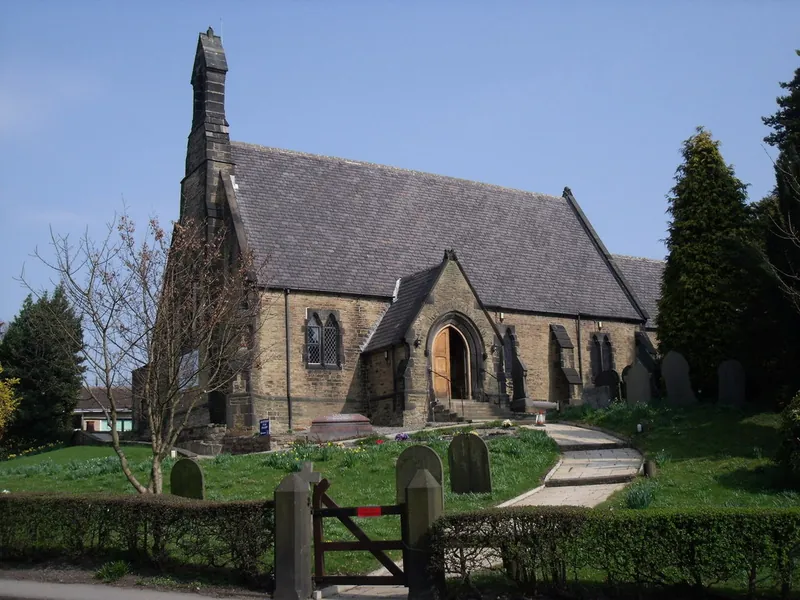
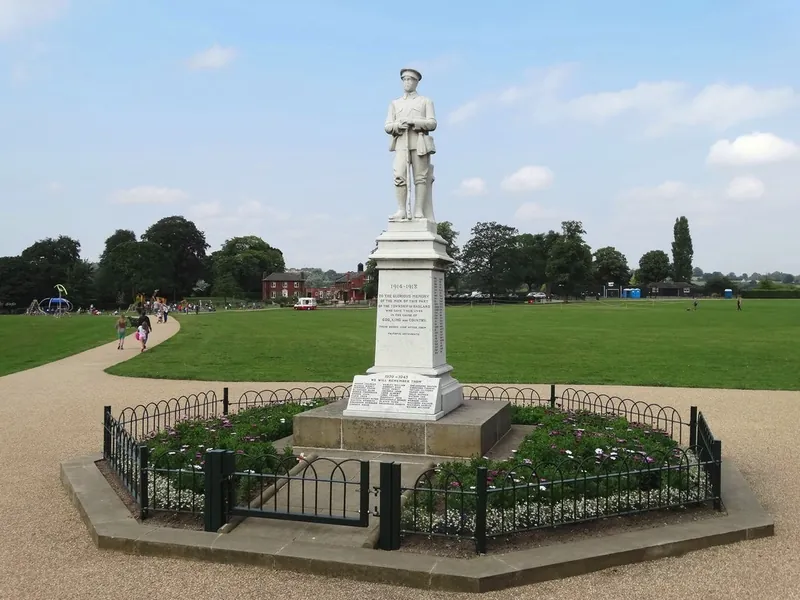
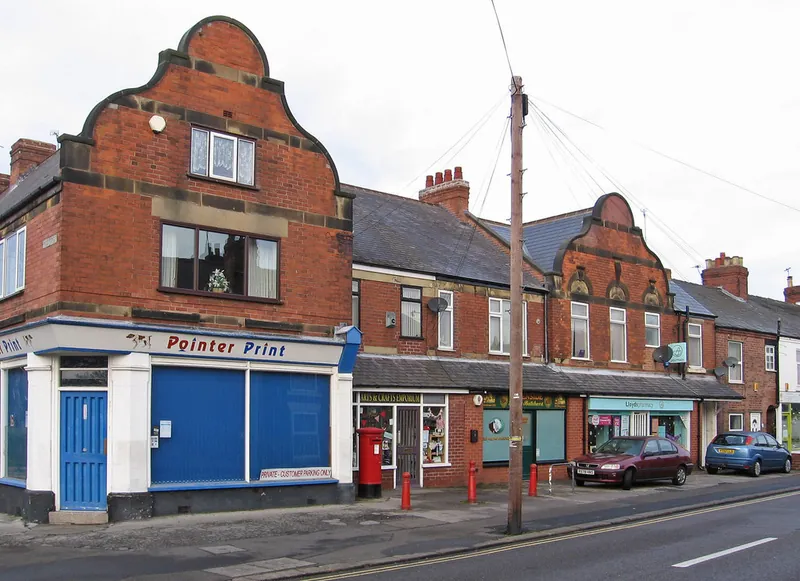
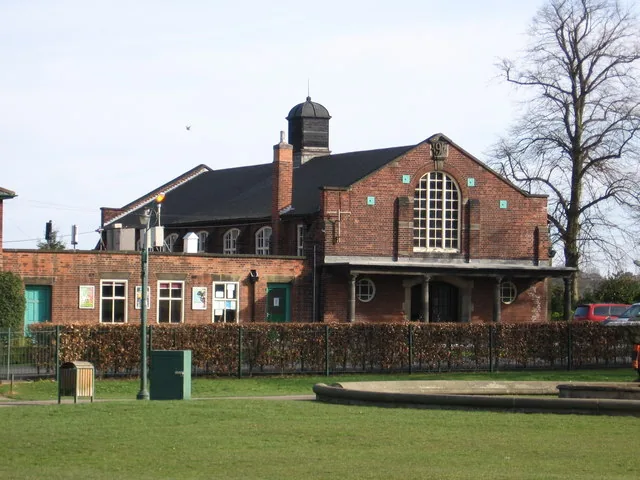
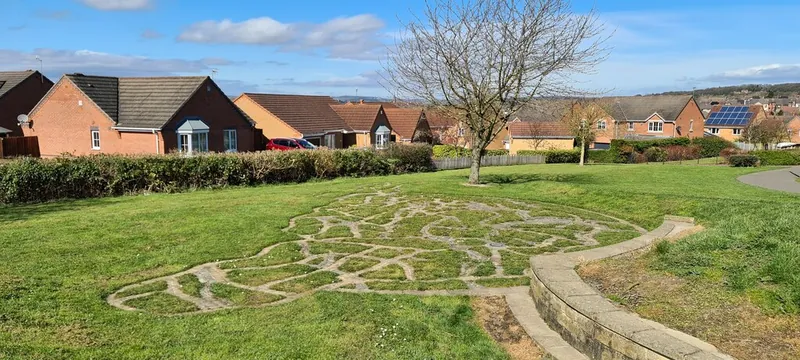
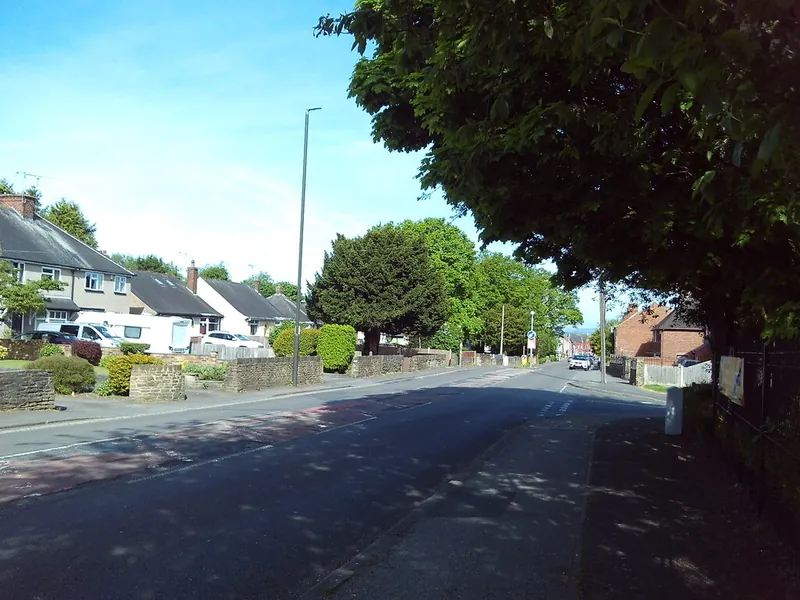
St Paul's, the war memorial in Eastwood Park, the gabled shops on The Green and more — photographed by local contributors to Geograph and Wikimedia Commons.
Know something we've missed?
hasland.uk is built by and for locals. Suggest an edit, get your business listed, or join the conversation in the Hasland Facebook group.